Donor Snapshot (Project Summary)
In ten underserved towns in Liberia, more than 3,500 people, mostly women and children, struggle daily to access safe drinking water and basic sanitation. Families rely on unsafe water sources, walk long distances to fetch water, and face recurring waterborne diseases that threaten health, dignity, and livelihoods.
The Darblo Clan Solidarity Movement (DACSOM) is responding with a community-driven clean water and sanitation project grounded in recent field assessments and documented community evidence. The project will deliver reliable water points, basic sanitation facilities, and hygiene education while strengthening local management systems to ensure sustainability.
By investing in this project, donors will help reduce preventable diseases, ease the burden on women and girls, and restore dignity and opportunity to vulnerable households. This intervention directly contributes to Sustainable Development Goal 6 and Liberia’s national WASH priorities, offering high impact at community level with measurable, time-bound results.
Budget:
The total estimated budget for the project is US$60,000
Implementing Organization
Darblo Clan Solidarity Movement (DACSOM), Liberia
Project Background and Rationale
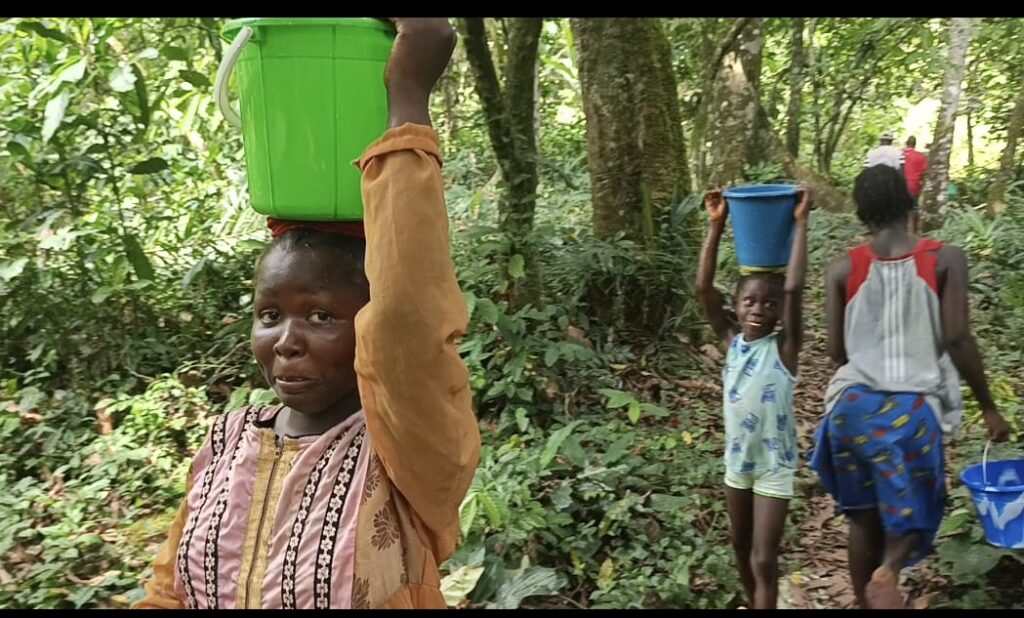
Access to safe drinking water and basic sanitation remains a major challenge in many rural and peri-urban communities in Liberia. Recent community entries and consultations conducted by DACSOM across Darblo Clan and surrounding communities reveal that a significant number of households rely on unsafe water sources such as open wells, streams, and unprotected hand-dug wells. Community members, particularly women and children, reported long walking distances to fetch water, frequent water shortages during the dry season, and recurring cases of diarrhea and other waterborne diseases.
Findings from DACSOM’s field engagements further indicate limited availability of sanitation facilities, weak hygiene practices, and low community capacity for maintaining existing water points. These challenges are more severe for vulnerable groups, including homeless mothers, internally displaced families, and low-income households, who often lack access to dignified sanitation options. https://www.youtube.com/watch?v=j2tN90DSbMU
These local findings are consistent with national and international assessments. According to UNICEF and the World Health Organization, a large proportion of Liberia’s rural population still lacks access to safely managed drinking water and basic sanitation services. The World Bank and Liberia’s national WASH sector reports also highlight inadequate infrastructure, limited maintenance systems, and funding gaps as key barriers to universal access to water and sanitation. Find more about these challenges; https://www.unicef.org/liberia/water-sanitation-and-hygiene?utm_source=chatgpt.com
DACSOM was established to promote social justice, community development, and human dignity in underserved communities. This water project responds directly to evidence gathered from recent community engagements and aligns with Liberia’s national development priorities and Sustainable Development Goal 6 (Clean Water and Sanitation).
Project Goal
To improve health, dignity, and quality of life by increasing sustainable access to safe drinking water and basic sanitation services for vulnerable households and public spaces in targeted communities.
Specific Objectives
- To provide reliable access to safe and affordable drinking water through the rehabilitation or construction of community water points.
- To improve sanitation and hygiene practices through the establishment of basic sanitation facilities and community-led hygiene education.
- To strengthen community ownership and management of water and sanitation facilities for long-term sustainability.
Target Beneficiaries
The project will directly and indirectly benefit an estimated 3,500 people across 10 targeted towns within Darblo Clan and surrounding underserved communities over a 12-month implementation period.
Primary Beneficiaries (Direct):
- Approximately 2,100 women and girls (about 60% of total beneficiaries), including women-led households and homeless or displaced mothers, who bear primary responsibility for water collection and household hygiene.
- Approximately 1,200 children and youth (about 35%), who face high risks of waterborne diseases and school absenteeism linked to unsafe water and poor sanitation.
Secondary Beneficiaries (Indirect):
- Approximately 200 men and community leaders (about 5%), who will benefit from improved community health, reduced disease burden, and strengthened local water governance.
Outcomes:
- By the end of the project, at least 80% of households in the 10 target towns will have improved access to a safe water source within a reasonable distance.
- By month 12, 100% of constructed or rehabilitated water points will be functional and managed by trained community water management committees.
- Within one year, reported cases of common waterborne illnesses in the target communities will be reduced.
Key Activities
- Community needs assessment and stakeholder engagement
- Construction and rehabilitation of boreholes, hand pumps, or protected wells
- Installation of basic sanitation facilities in strategic locations
- Hygiene promotion and community awareness sessions
- Formation and training of community water management committees
Budget
The total estimated budget for the project is US$60,000, covering:
- Construction and rehabilitation of water points: US$35,000
- Sanitation facility installation: US$10,000
- Community training and hygiene education: US$5,000
- Monitoring, evaluation, and project management: US$5,000
- Contingencies and miscellaneous costs: US$5,000
Expected Results
- Increased access to safe drinking water for targeted communities
- Reduced incidence of waterborne diseases
- Improved hygiene and sanitation practices
- Enhanced community capacity to manage and maintain water facilities
Implementation Approach
The project will adopt a participatory, community-driven approach, working closely with local leaders, women groups, youth representatives, and relevant authorities. Sustainability will be ensured through local ownership, skills transfer, and transparent management structures.
Cross-Cutting Issues
- Gender inclusion and protection of vulnerable groups
- Environmental sustainability
- Community participation and accountability
Project Duration
12 months (with potential for scale-up based on results and available resources)
Geographic Focus
Rural and peri-urban communities in Liberia, beginning with underserved areas within Darblo Clan and surrounding communities.
Monitoring and Accountability
DACSOM will implement a results-based monitoring system, including regular field monitoring, community feedback mechanisms, and transparent reporting to partners and donors.
Partnership and Support DACSOM welcomes partnerships with government institutions, NGOs, development partners, private sector actors, and donors to support the successful implementation and expansion of this project.
Contact Information
Darblo Clan Solidarity Movement (DACSOM)
Liberia
Email: darbloclansolidaritymovement8@gmail.com
Phone: +231887254852
Phone: +231776308323